
The quick answer
Choose your glove around the plays you make, then check the fit on your hand. Length is useful, but pocket shape and hand opening can change the whole decision.
Begin with your position
An infielder often wants easy access to the ball for the transfer. An outfielder may prioritize reach and pocket depth. A catcher or first baseman needs the appropriate mitt. Use those jobs to narrow your choices before comparing leather labels.
Read the pattern, not just the series
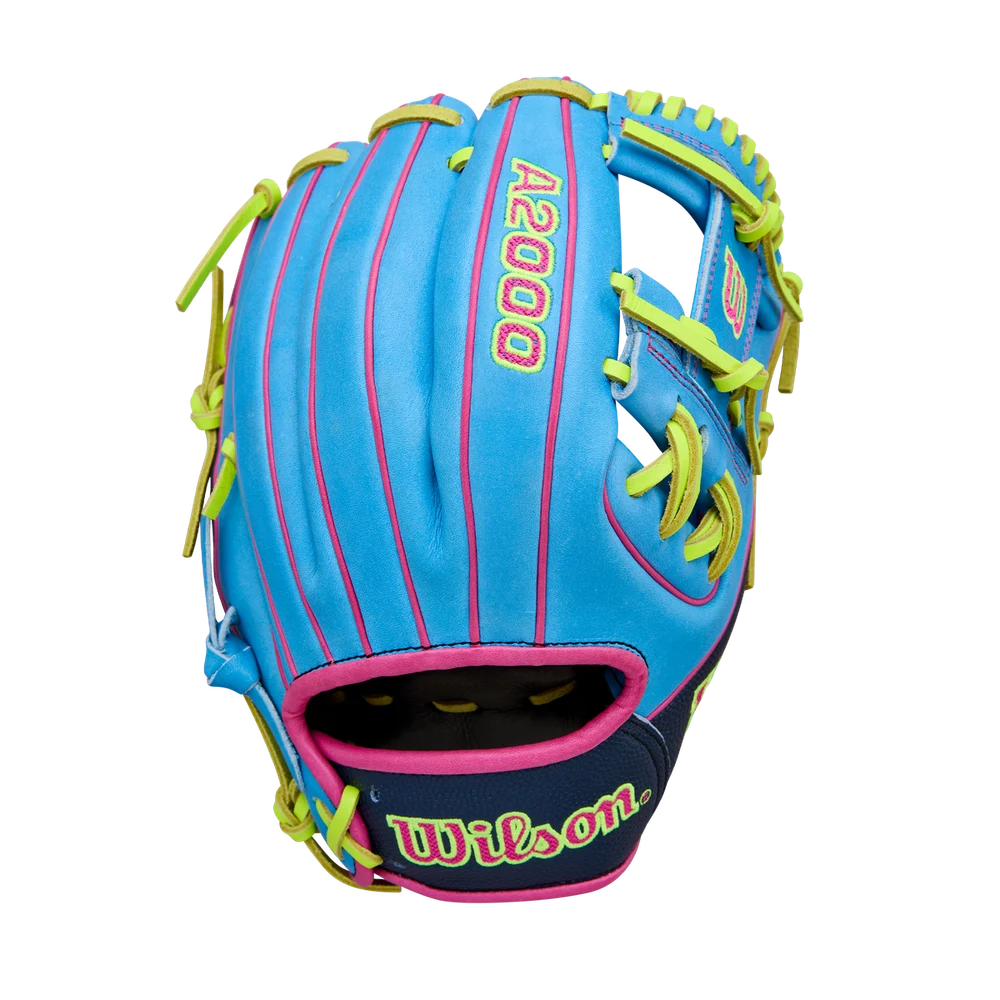
A2000 names a series; 1786 names a pattern. The reviewed Spring 2026 1786 is an 11.5-inch infield glove with a shallow pocket and H-Web. Another glove in the same series may serve a different position and have a different opening.
Try your actual finger placement
Put your hand in as you would during a game, including your preferred pinky and index-finger positions. Close the glove around a ball and check that the opening feels secure. A glove that is too loose can be frustrating even if its stated length sounds right.
Give the pocket time
Follow the manufacturer’s break-in instructions. Avoid using aggressive heat or improvised treatments that can affect the materials. We would rather start with the right pattern and shape it gradually than buy the wrong glove because it closes easily in the shop.
Your questions, answered.
Is a bigger glove always better?
A bigger glove adds catching area but may change control and ball access. Choose for position and hand fit rather than maximum length.
Sources
Wilson 1786 product details ↗Source review: October 20, 2026. Current competition rules take precedence over a buying guide.