
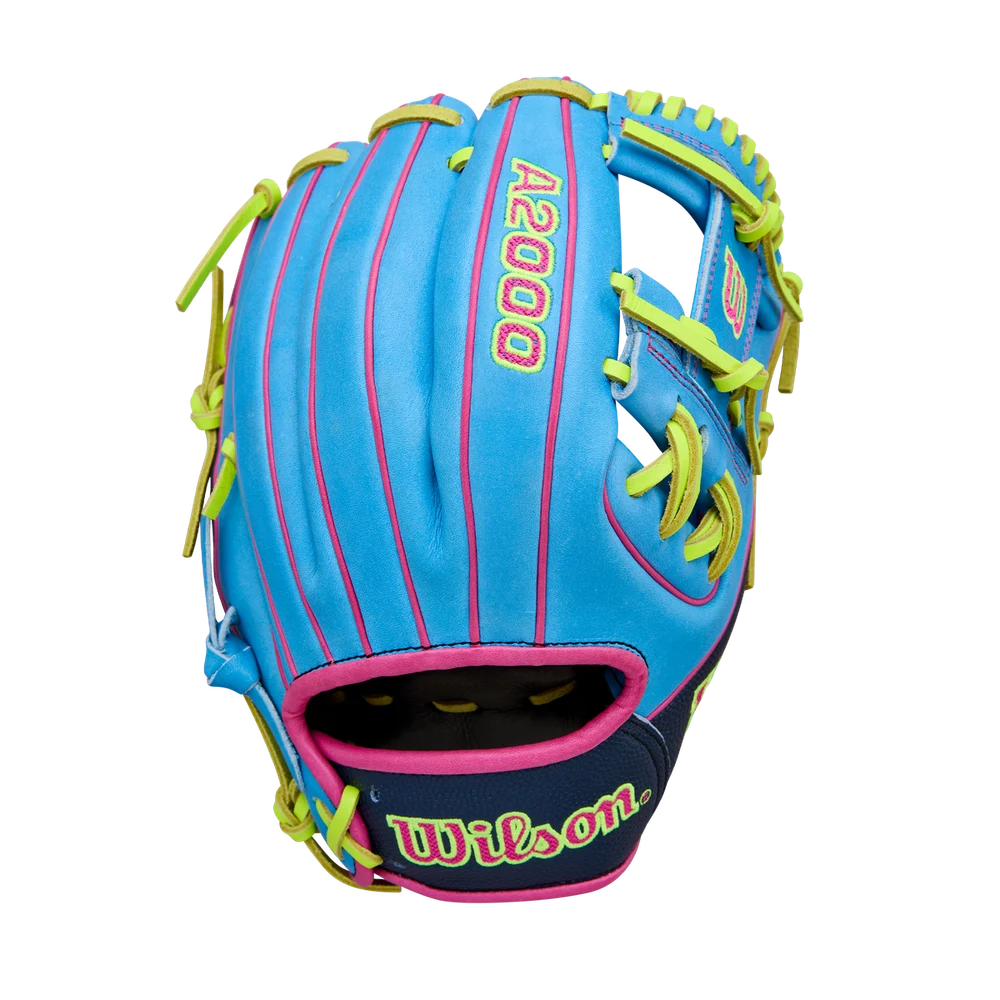
The quick answer
Brush or wipe away loose dirt, use only a cleaner approved for the glove’s materials, and allow the glove to dry naturally before considering a light compatible conditioner. Store it where it can keep its shape. Cleaning removes contamination; conditioning addresses dry leather. They are different jobs.
Step by step
Inspect before applying anything
Look at the shell, palm, laces, liner, and any synthetic panels. Check the glove and product labels for compatible materials.
Remove loose surface dirt
Use a clean soft cloth or suitable soft brush. Work gently around seams and laces rather than grinding dirt further into the surface.
Clean only as directed
For remaining marks, follow the glove maker’s approved cleaning method and the product’s directions. Do not improvise with household solvents or soak the glove.
Dry, assess, and store
Let it dry naturally away from direct heat. If the leather needs conditioner, use a light compatible application; then store the glove without flattening the pocket.
Check what the glove is made from
A leather palm does not mean every part of the glove is leather. Synthetic shell panels, fabric liners, finishes, embroidery, and laces can need different treatment. We recommend identifying the model before buying a care product simply because its label says leather.
For a visible finish, follow any patch-test instructions on the cleaner. When the material or compatibility is uncertain, ask the glove maker. A small stain is a better problem than a large area changed by the wrong product.
Use conditioner when the leather needs it
A glove that is clean, pliable, and holding its form does not need a heavy application by default. Walden’s guidance separates cleaning from conditioning and warns against leaving leather greasy or excessively soft. That is a useful principle for deciding what the glove actually needs.
We would assess condition rather than follow an aggressive weekly oil schedule. Apply the compatible product according to its directions, then reassess before adding more. Conditioner is not a repair for broken laces, torn leather, or a collapsed pocket.
Handle a damp glove without rushing it
If a glove becomes wet during normal use, remove surface moisture with an appropriate clean cloth and follow the maker’s drying instructions. Avoid forcing the process with a hair dryer, radiator, oven, or other direct heat source.
Before storing it, check that the hand opening and liner have also had time to dry. Leaving a damp glove compressed under other gear is a poor starting point for the next practice. Persistent odor or visible mold calls for specialist advice rather than layers of fragrance or conditioner.
Store the pocket you worked to create
Choose a dry storage location and keep heavy equipment from pressing the glove flat. If the manufacturer recommends storing a suitable ball in the pocket, follow that guidance for the glove and its shape. A catcher’s mitt and a shallow infield glove need different considerations.
Before the next session, check the web and laces as well as the surface. Finding a loose or damaged lace at home gives you time to arrange a proper repair. Regular inspection makes maintenance useful even when the glove needs no cleaning product that day.
Your questions, answered.
Should I put my glove in the washing machine?
We do not recommend it. Use the exact glove maker’s cleaning directions instead of a household laundry cycle.
Is glove conditioner the same as cleaner?
No. A cleaner removes dirt and residue; conditioner treats dry leather. Use products compatible with the glove and follow their directions.
How often should I oil my glove?
There is no universal schedule. Assess the leather and follow the maker’s directions; a supple glove may need no additional conditioner.
Can conditioner repair a torn lace?
No. A damaged lace needs an appropriate repair, not more conditioner.
Sources & further reading
Walden Glove: conditioning and leather care ↗Rawlings: glove break-in guidance ↗Sources reviewed . For equipment care, follow the instructions for your exact model. For competition use, check your governing body’s current rules.