The quick answer
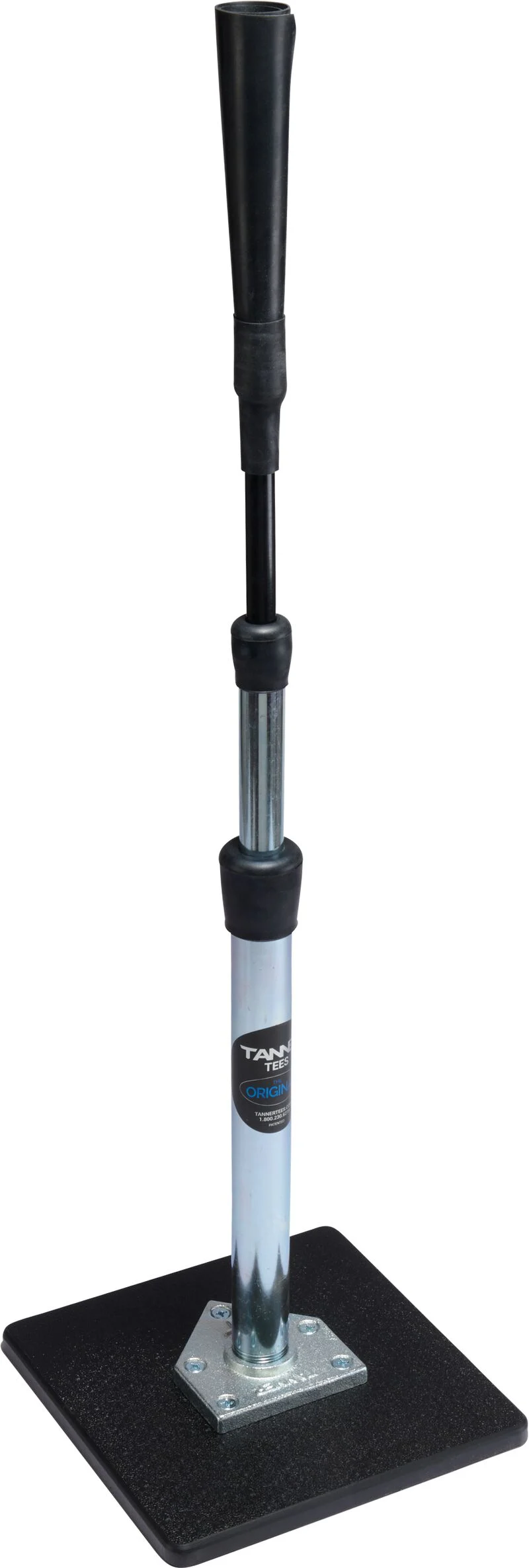
A tee presents a stationary ball, soft toss adds a short moving delivery from a partner or suitable feeder, and a pitching machine adds a model-specific delivery setup. Choose around the drill and available space. A machine is not an automatic upgrade from a tee, and ball compatibility must be checked for every machine.
At a glance
| Tool | Primary setup difference | Planning requirement |
|---|---|---|
| Batting tee | Stationary contact point | Correct height and clear hitting area |
| Soft toss | Short moving delivery | Suitable operator/partner position and protection |
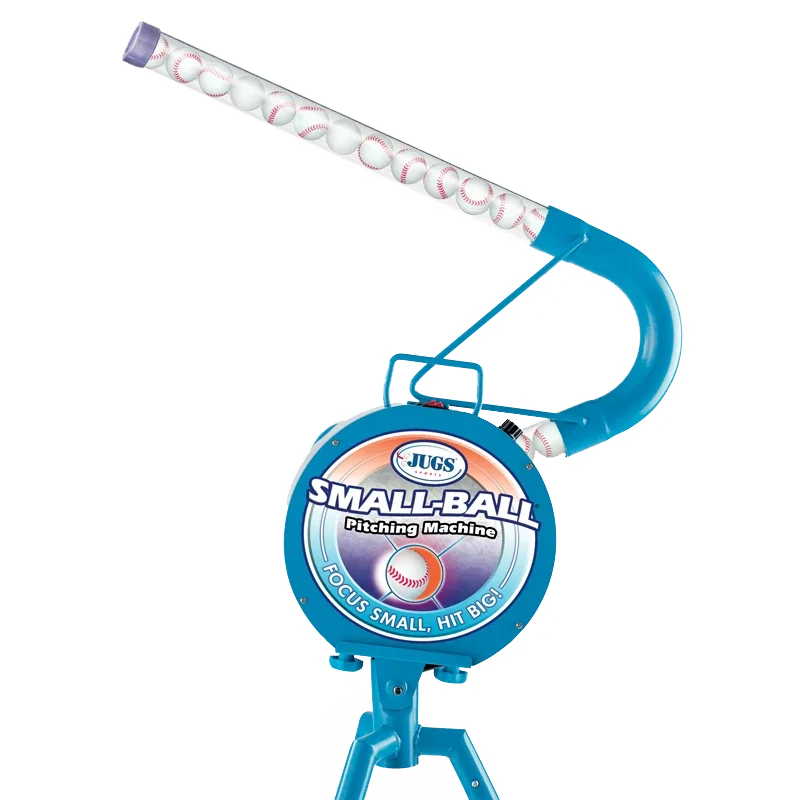
| Pitching machine | Machine-generated delivery | Model-specific balls, distance, guarding and operating instructions |
Start with what the player needs to practice
A player working on a repeatable starting setup may benefit from a stationary ball. A player learning to respond to a moving ball has a different task. A coach can choose the progression so a more complicated delivery does not obscure the original goal.
We would not replace a useful tee simply because a machine looks more advanced. A simple tool used for a clear purpose can remain valuable alongside more equipment. The purchase should add a practice capability you actually need.
A machine name does not establish ball compatibility
Read the exact machine specifications. The JUGS Small-Ball model, for example, uses its specified small polyurethane-foam balls. That is a different tool from a machine intended for regulation baseballs or softballs. Neither the brand name nor the word pitching is enough to determine compatibility.
The bat also has ball-use instructions. Check both pieces of equipment rather than assuming that a machine-compatible ball is automatically approved for every bat. Ask the makers when the compatibility is unclear and retain the applicable manuals.
Plan the operating area, not just the equipment footprint
Account for the hitter’s swing, delivery path, backstop or cage, operator position, and the instructions for protective screens. A JUGS softball-machine manual specifically requires a screen for its operator and machine. Follow the manual for the actual setup you buy.
Soft toss also needs an appropriate partner position, supervision, and clear surroundings. An informal toss does not eliminate the need to plan where a hit ball can travel. Avoid treating a small product photograph as a complete layout guide.
Compare the cost of the complete session
Include compatible balls, guarding, netting or cage, storage, power requirements where relevant, and the time needed to set up. A low machine price can be a misleading comparison with a tee if the rest of the station has not been considered.
For a first home setup, we recommend defining one supervised drill and the space it needs. Add a machine only when its specific delivery capability, compatibility, and operating requirements fit the plan. Keep tee work, toss work, and machine work as deliberate choices rather than a hierarchy of equipment quality.
Your questions, answered.
Is a pitching machine always better than a tee?
No. They introduce different tasks. Choose the tool for the drill rather than treating price or complexity as a quality ranking.
Can every pitching machine use real baseballs?
No. Check the exact model. The JUGS Small-Ball machine is intended for specified small foam balls.
Does soft toss require planning for operator safety?
Yes. Follow appropriate coaching and equipment guidance for the partner position, protection, space, and supervision.
Can I use any bat with any machine ball?
Do not assume so. Check the bat’s ball-use instructions as well as the machine’s compatibility.
Sources & further reading
Little League University: tee setup and contact work ↗JUGS: Small-Ball machine specifications ↗JUGS: model-specific instruction manuals ↗Sources reviewed . For equipment care, follow the instructions for your exact model. For competition use, check your governing body’s current rules.