The quick answer
Choose a net intended for the actual balls and activity, then allow the clearance, anchoring, and positioning its maker requires. Check the full swing and ball path, inspect the mesh and frame before use, and follow weather and storage instructions. Frame width and height alone do not describe a complete usable hitting area.
At a glance
| Buying check | Why it matters |
|---|---|
| Intended balls and activity | A product must be suitable for the actual training use |
| Required clearance | The ball path, moving net and swing need planned space |
| Surface and anchoring | The maker’s setup method must work at your location |
| Condition and storage | Mesh, frame, fasteners and weather guidance affect ongoing use |
Start with intended use and location
Confirm whether the product is intended for hitting, throwing, another activity, or a specified combination. Read which ball types and setup methods the manufacturer supports. A target screen, backstop, and cage are not automatically interchangeable products.
Next assess the surroundings. Identify what is behind, beside, and above the planned hitting area and where other people could enter it. If the site cannot meet the product’s required layout, a different location or training approach is a better decision than buying a bigger-looking frame and hoping it solves the problem.
Separate frame dimensions from working space
The advertised rectangle may describe the frame, not every clearance needed to use it. The net can move under impact, and the hitter needs room to swing. Use the manufacturer’s instructions to plan the position and required space around the equipment.
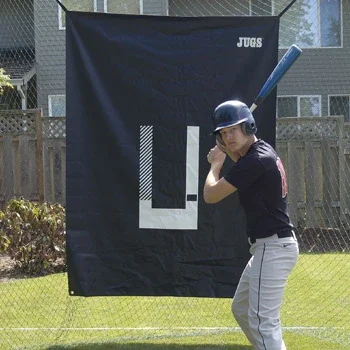
For a cage, the supporting frame and hanging net also need their specified relationship. JUGS publishes separate instructions for different systems. Read the manual for the exact kit rather than copying a dimension from a different product’s setup photograph.
Check surface, anchoring, and inspection
Find out how the product is intended to be stabilized on your surface. Grass, hard flooring, and other locations may require different approved arrangements. Do not invent ballast or anchor methods that the instructions do not support.
Before use, inspect the net for holes and wear and check frame joints and fasteners. If a component is damaged, stop and obtain the maker’s repair or replacement guidance. Do not assume that a visible hole is harmless because the main target pocket still looks intact.
Choose something you can store properly
Outdoor exposure is another model-specific decision. JUGS’ cage guidance warns about extreme weather such as high winds and snow. A product sold for backyard use should not be assumed to be permanently weatherproof under every condition.
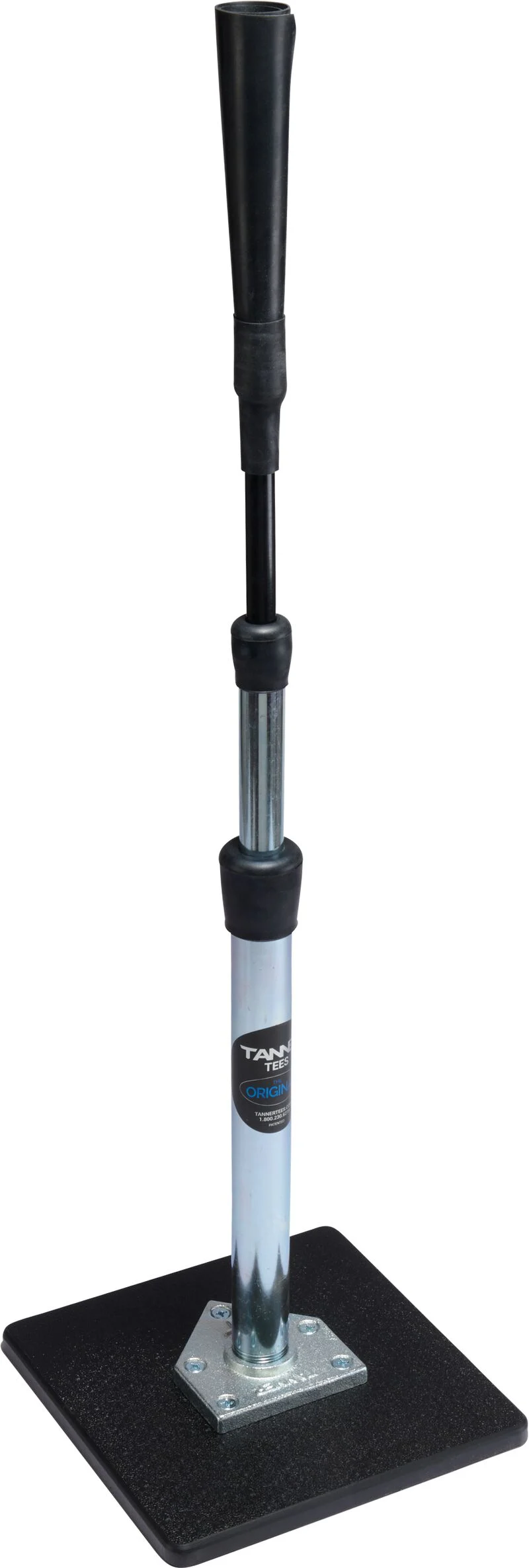
Consider who will assemble, take down, and store the kit, and whether replacement components are available. For a tee station, buy the net and tee as parts of one planned activity. Our practice-setup and beginner tee guides explain how to choose a useful first session without adding unnecessary equipment.
Your questions, answered.
Does a seven-foot frame mean I only need seven feet of space?
No. Check the required clearances, net movement, swing area, and complete ball path in the actual instructions.
Can any practice net be used for hitting baseballs?
No. Check the intended activity, ball types, and setup requirements for the exact product.
Can I leave a hitting net outside all year?
Follow the model’s weather and storage guidance. Backyard use does not establish permission for every weather condition.
Is a hitting net a substitute for supervision?
No. Use an appropriate supervised setup, keep others clear, and follow all equipment instructions.
Sources & further reading
JUGS: backyard net package ↗JUGS: installation manuals ↗JUGS: setup and weather FAQs ↗Sources reviewed . For equipment care, follow the instructions for your exact model. For competition use, check your governing body’s current rules.